


For most businesses, cyber security sits somewhere between “important” and “I’ll get to it when things calm down.” The problem is that attackers don’t work to your schedule. They look for gaps at the exact moment no one is watching. And for many UK SMEs, that moment is most of the time.
A lot of companies still wonder whether round-the-clock SOC coverage is worth it. To answer that properly, you need to look at what a breach actually costs – not the headline figure, but the ripple effect across the entire organisation.
What a Breach Really Costs a Business
When an attack hits, it rarely affects just one machine or one user. It can spread quickly, pull systems offline and leave staff unable to work. That’s where the real damage begins.
Financial Impact
Government data suggests the average breach in a small or mid-sized business sits north of £25,000, but that number only tells part of the story. Costs stack up from:
- Emergency IT recovery
- Lost time and cancelled work
- VoIP and cloud downtime
- Potential ransom payment
- Missed sales
- Data-protection issues if customer information is involved
If a company relies on Microsoft 365, CRM tools, Teams, VoIP or remote access, even a short outage can be expensive.
Downtime Across the Business
When systems fall over, everything slows down.
Common knock-on effects include:
- Phones going dead
- Shared drives vanishing
- Customer service unable to access records
- Sales teams stuck
- Backups becoming unreachable
Downtime is often the biggest and most unpredictable cost in any breach.

Damage to Reputation
People expect companies to protect their information. If that trust is broken, it’s difficult to rebuild.
A breach can lead to:
- Loss of long-term customers
- Difficult conversations with partners
- Negative press or online reviews
- A general feeling that the business “isn’t safe”
For service-led organisations, reputation loss can hurt more than the original attack.
Compliance and Legal Issues
A breach that touches customer or employee data triggers GDPR requirements. Even a small incident can lead to legal fees or ICO involvement.
What a 24/7 SOC Actually Does
A SOC (Security Operations Centre) isn’t a piece of software, it’s a team watching over your systems at all hours.
Here’s what that looks like on a normal day:
Constant Monitoring
Every endpoint, cloud login, email attempt and piece of network traffic is watched. If something unusual happens at 2am, it’s picked up immediately.
Fast Reaction
A SOC doesn’t wait for someone to raise a ticket.
When it spots suspicious activity, it investigates and blocks it before it spreads.
 Device-Level Protection
 Device-Level Protection
Laptops, mobiles, servers, VoIP handsets, anything connected can be monitored and defended in real time.
Preventative Work
It’s not just about reacting. A SOC highlights weak points, unsafe behaviour, risky logins, and unpatched devices before they turn into incidents.
Peace of Mind
You aren’t relying on luck or the hope that someone notices an alert buried in their inbox.
SOC Costs vs. Breach Costs
When you compare the two, the difference becomes clear.
Without SOC
- Breach cost: £25,000+
- Downtime: £1,500–£5,000 per hour
- Emergency recovery bills
- Lost customers
- Legal risk
- Long-term disruption
With Continuous Monitoring
- Fixed, predictable monthly cost
- Attacks caught early
- Small issues resolved before they escalate
- Minimal downtime
- No overnight surprises
For most SMEs, a single avoided incident pays for the service many times over.
Why It Works Better with Sprint
Sprint delivers more than cyber tools—we manage the wider infrastructure your business relies on. That means the SOC can work alongside:
- IT Support
- Endpoint protection
- Email and cloud security
- Managed VoIP and connectivity
- Mobile device management
- Backup and disaster recovery
- Cyber Essentials guidance
Because everything is connected under one provider, you avoid gaps and conflicting systems.
Final Thoughts
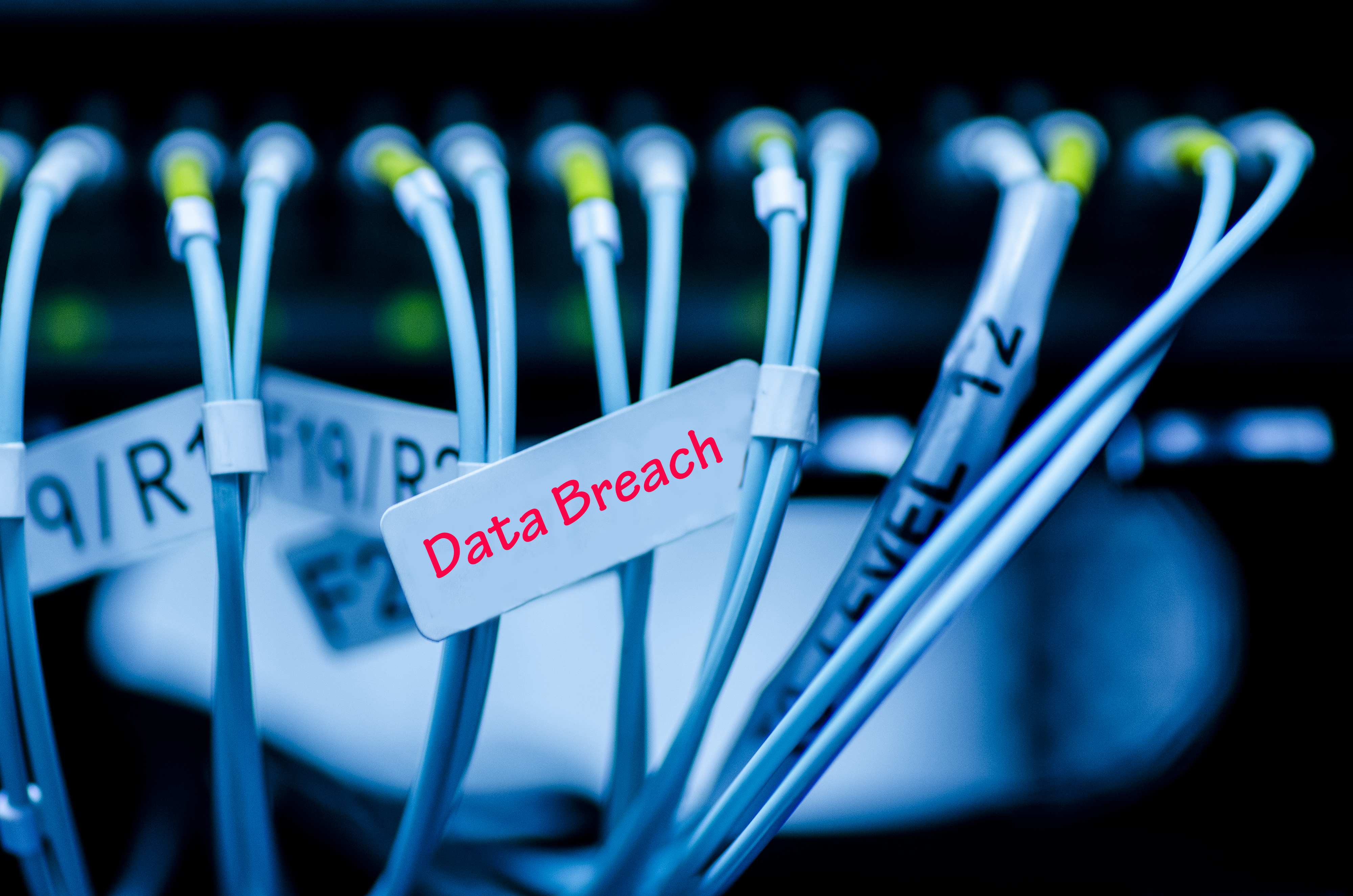
A breach causes chaos. It disrupts operations, damages trust and drains time and money. Recovering is always harder than preventing.
24/7 SOC monitoring gives businesses a way to stay ahead of threats without hiring an in-house security team. And for Sprint customers, it becomes part of a wider, fully managed approach that keeps the organisation safe, compliant and working smoothly.
If you’d like to understand what SOC coverage would look like for your business, the Sprint team can walk you through the options.